This post contains Amazon affiliate links.
Key Takeaways
- Grid-tied systems shut down during power outages due to UL 1741 safety standards, while solar generators provide continuous backup power through battery storage.
- Grid-tied systems typically cost $10,000-$25,000 compared to off-grid solar generators at $15,000-$65,000, though costs vary significantly by location, system size, and components.
- Energy independence requires significant battery investment and lifestyle changes, but eliminates dependence on utility companies during emergencies.
- Hybrid systems combine the best of both worlds – offering backup power security plus grid connection benefits at a higher price point.
When power outages strike, homeowners face a harsh reality about their solar investment. Despite having panels generating electricity during sunny days, most residential solar systems go dark the moment the grid fails. This fundamental difference between solar generators and grid-tied systems shapes everything from installation costs to daily energy management, creating a complex decision that affects both wallet and peace of mind.
Solar Generators Provide Power During Outages, Grid-Tied Systems Don’t
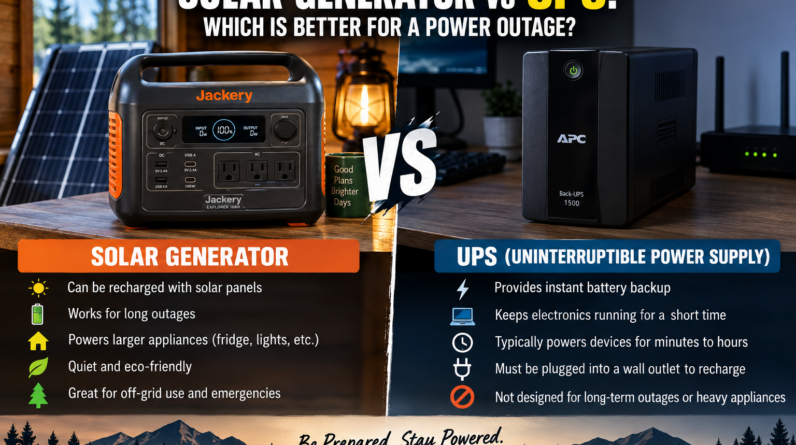
The most critical difference between these two solar approaches lies in their behavior during power outages. Solar generators, which are essentially off-grid systems with battery storage, continue operating independently when the electrical grid fails. Solar Emergency Charger specializes in these backup power solutions, helping homeowners maintain electricity access during emergencies when traditional grid-tied systems fail.
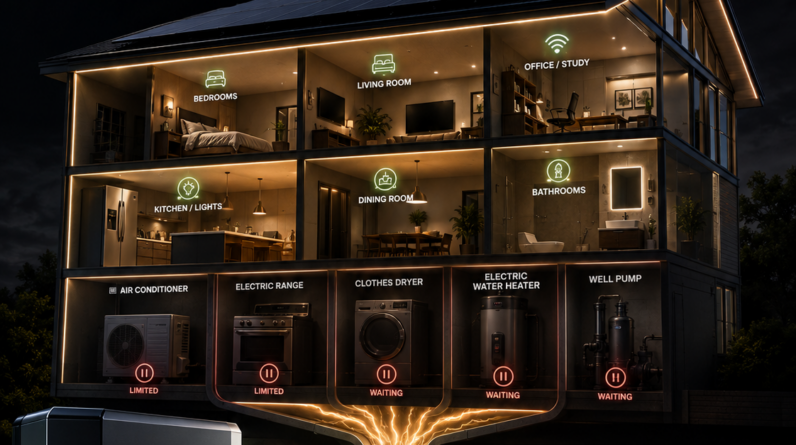
Grid-tied systems, despite their solar panels actively generating electricity, shut down completely during outages. This counterintuitive behavior stems from safety protocols designed to protect utility workers. Even on bright sunny days when panels produce abundant energy, homeowners with grid-tied systems find themselves without power during grid failures.
Solar generators solve this problem through integrated battery banks that store excess energy for later use. When the sun sets or storms knock out power lines, these stored electrons keep essential appliances running. The trade-off comes in complexity and cost, as battery systems require careful sizing and maintenance to ensure reliable operation.
Cost Breakdown: Grid-Tied vs Off-Grid Investment
The financial landscape between these systems reveals stark differences in both upfront investment and long-term expenses. Grid-tied installations typically range from $10,000 to $25,000 for average-sized residential systems before federal tax credits, though costs vary significantly by location, system size, and specific components. This lower cost reflects their simpler equipment requirements – just panels, inverters, and grid connection hardware.
1. Grid-Tied System Costs Range by Size and Components
A typical 6kW grid-tied system costs approximately $18,000 before incentives, dropping to around $14,000 after the 30% federal solar tax credit. The equipment list remains minimal: solar panels, racking hardware, string inverters or microinverters, and an updated electrical meter. Installation complexity stays relatively low since no battery integration or backup power circuits are required.
2. Off-Grid Solar Generator Investment Includes Battery Storage
Off-grid solar generators demand significantly higher initial investments, ranging from $15,000 for basic setups to $65,000 for whole-home systems. Battery banks alone can cost $20,000 or more, depending on capacity requirements. Lithium-ion batteries offer longer lifespans (typically 2000-7000 cycles, translating to 10-15 years) but command premium prices, while lead-acid alternatives reduce upfront costs but require more frequent replacement (500-1500 cycles, lasting 5-8 years depending on type).
3. Annual Maintenance Costs: $150-$330 Plus Component Replacement
Ongoing expenses favor grid-tied systems due to their simpler design and fewer components. Annual maintenance typically costs $150-$330 for routine inspections and cleaning, though this excludes potential inverter replacement costs which can be significant. Off-grid systems require additional battery maintenance, charge controller monitoring, and potential generator servicing. Inverter replacement every 10-15 years affects both system types, but off-grid installations often require more sophisticated and expensive inverter technology.
UL 1741 Safety Standards Force Grid-Tied Shutdown During Outages
The Underwriters Laboratories standard UL 1741 mandates automatic shutdown features in all grid-tied solar equipment. This regulation prioritizes utility worker safety over homeowner convenience, creating the primary limitation that drives many toward solar generator alternatives.
Anti-Islanding Protection Prevents Backfeeding to Grid
Anti-islanding technology detects grid failures within milliseconds and immediately disconnects solar systems from utility lines. This prevents “backfeeding” – the dangerous condition where solar panels continue sending electricity into supposedly dead power lines. Without this protection, utility workers repairing storm damage could encounter unexpected live wires, creating potentially fatal situations.
Net Metering Credits Don’t Equal Backup Power
Many homeowners mistakenly believe net metering provides backup power during outages. While net metering allows selling excess electricity back to utilities for bill credits, these credits offer no protection when the grid fails. The banking system for surplus energy exists only as accounting entries, not stored electrons ready for emergency use.
Energy Independence Requires Battery Storage and Lifestyle Changes
True energy independence through solar generators demands more than financial investment – it requires fundamental shifts in energy consumption patterns and daily habits. Off-grid living means becoming acutely aware of power generation and usage in ways grid-tied homeowners never experience.
Battery Technology Selection Impacts Performance and Costs
Battery technology selection significantly impacts both performance and costs. Lithium-ion batteries offer cycle life of 2000-7000 cycles, higher efficiency, and compact installations but cost considerably more upfront. Lead-acid batteries provide lower initial costs but typically deliver 500-1500 cycles, with advanced AGM or gel batteries potentially lasting up to 8 years with proper maintenance including water level checks and terminal cleaning.
Professional Installation Complexity for Off-Grid Systems
Off-grid solar generators demand professional installation due to their complex electrical integration. Charge controllers, battery banks, backup generators, and safety disconnects must be properly sized and configured. Improper installation can lead to reduced system performance, premature battery failure, or dangerous electrical conditions.
Daily Energy Management and Conservation Requirements
Living with solar generators requires constant awareness of energy production and consumption. Homeowners must monitor battery levels, adjust usage during cloudy periods, and potentially run backup generators during extended low-sun conditions. This active management contrasts sharply with grid-tied systems where excess usage simply draws from the utility grid.
Environmental Impact Depends on Backup Generator Usage
The environmental comparison between these systems varies based on implementation and backup power strategies. Both approaches contribute to renewable energy adoption, but their overall carbon footprints differ significantly, though solar panel production itself does present environmental considerations.
Grid-Tied Systems Feed Clean Energy Back to Community
Grid-tied solar installations contribute to community-wide carbon reduction by feeding surplus clean energy into the electrical grid. This shared benefit helps displace fossil fuel generation for neighboring homes and businesses. The environmental impact extends beyond individual homes to support broader grid decarbonization efforts.
Off-Grid Battery Storage Reduces Fossil Fuel Dependence
Solar generators eliminate dependence on grid electricity, which often includes fossil fuel sources. However, many off-grid systems incorporate backup generators that burn gasoline, diesel, or propane during extended cloudy periods. The environmental benefit depends on how frequently these backup systems operate and their fuel efficiency.
Grid-Tied Maximizes Savings, Off-Grid Ensures Power Security, Hybrid Offers Both
The choice between these systems ultimately depends on priorities: maximum financial return, energy security, or balanced approach. Grid-tied systems excel at reducing electricity bills through net metering and low installation costs. They provide the best return on investment for homeowners in areas with reliable grid service and full-retail net metering policies.
Solar generators prioritize energy independence and emergency preparedness over financial optimization. Despite higher costs, they deliver peace of mind during natural disasters, grid failures, and utility company issues. Rural homeowners without grid access find off-grid systems their only viable option for modern electrical service.
Hybrid systems, combining grid connection with battery storage, offer compromise solutions for homeowners wanting both financial benefits and backup power capability. While more expensive than pure grid-tied installations, hybrid systems provide emergency power while maintaining net metering advantages. These systems continue gaining popularity in residential solar installations.
The decision between solar generators and grid-tied systems hinges on individual priorities, local utility policies, and risk tolerance for power outages. For backup power solutions and emergency preparedness guidance, visit Solar Emergency Charger to learn about options that keep your home powered when the grid goes down.
This post contains Amazon affiliate links.