This post contains Amazon affiliate links.
Comparing Solar Generators and Gas Generators: Key Features and Benefits
When it comes to emergency backup power systems, choosing between a solar generator and a gas generator can be challenging. Each option offers unique features and benefits that can greatly impact your decision. Let’s break down the key differences to help you understand which solution may fit your needs.
Power Source
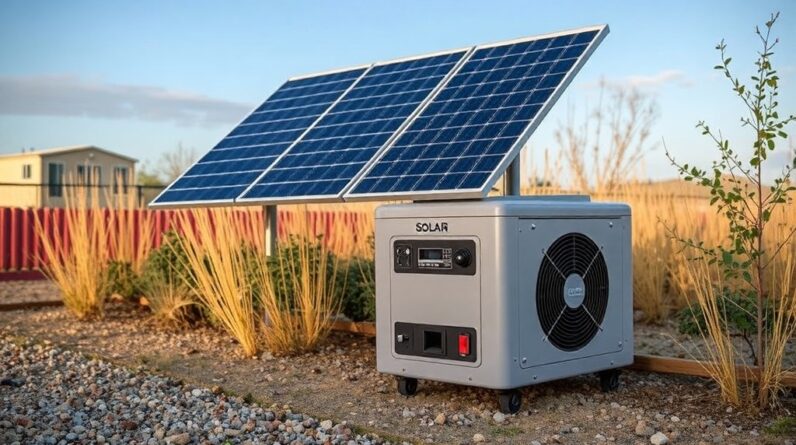
Solar generators harness energy from sunlight through solar panels. They convert sunlight into electricity, which can then be used to power various devices. This setup is great for those looking to implement renewable energy solutions. On the other hand, gas generators run on gasoline or propane. They rely on traditional fuel sources, making them easy to refill and operate, especially in areas with consistent electricity shortages.
Environmental Impact
One of the critical benefits of solar generators is their low environmental impact. Since they run on renewable resources, they produce no emissions during operation. This aspect makes solar generators a sustainable option for those concerned about climate change. Conversely, gas generators emit carbon dioxide and other pollutants, contributing to air pollution and environmental degradation. If you want to minimize your carbon footprint, solar might be the way to go.
Cost Effectiveness
Initial costs can be a significant factor when comparing these two backup power options:
- Solar Generators: The upfront costs for solar generators can be higher due to the investment in solar panels and batteries. However, they require minimal maintenance and have no fuel costs, leading to long-term savings.
- Gas Generators: Gas generators tend to be less expensive at the purchase point. Still, they require ongoing fuel costs, which can add up over time. Additionally, the maintenance and replacement of parts also become a factor in the overall expense.
Portability
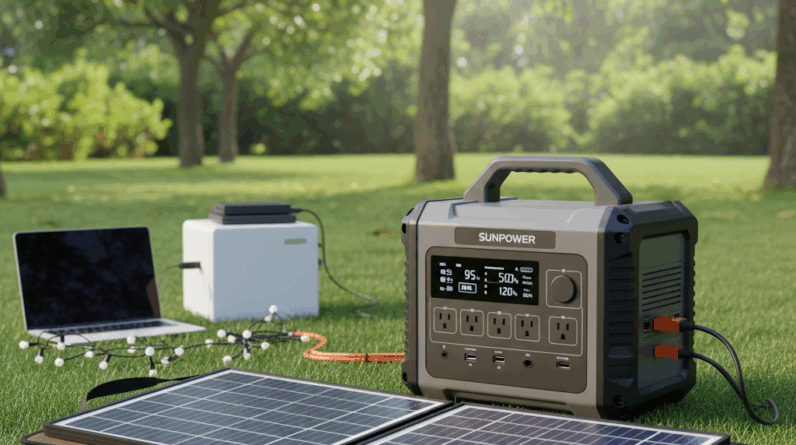
Portability is essential for those looking to use their generators for various activities, such as camping or in emergencies. Solar generators are generally lighter and more portable, especially since they can be recharged with solar panels placed at a distance from the unit. In contrast, gas generators are bulkier and can be more challenging to move around due to their weight and the need for fuel storage.
Noise Levels
Another important consideration is noise. Solar generators operate quietly since there are no moving parts running when generating power. This feature makes them more suitable for residential areas or camping trips where noise might be disruptive. In contrast, gas generators are notorious for producing loud noise during operation, which can be a considerable drawback if you plan to use them in quiet settings.
Run Time and Reliability
The runtime of each generator type can significantly influence your choice:
- Solar Generators: Their runtime largely depends on battery capacity and the availability of sunlight for recharging. On cloudy days, recharge times can be extended, potentially limiting usage during critical outages.
- Gas Generators: These generally offer longer runtimes since they only require refueling. If you’re in an area where fuel can be reliably accessed, gas generators can provide nearly continuous power.
Ease of Use
When it comes to ease of use, both types of generators have their perks:
- Solar Generators: Typically straightforward to set up, and you can begin using them right away. They usually come with built-in inverters and charging options.
- Gas Generators: While easy to fill with fuel, they require regular maintenance and can be less user-friendly for those unfamiliar with machinery.
Final Thoughts
When comparing solar generators and gas generators for emergency backup power systems, consider factors like power source, environmental impact, cost, portability, noise, runtime, and user-friendliness. Depending on your situation and priorities, either a solar generator or a gas generator could be the right choice for your needs. Make sure to evaluate what features matter most to you. As you assess your options, you will be better positioned to invest in an emergency backup solution that meets your power requirements efficiently and sustainably.
Environmental Impact: Solar vs. Gas Generators
As we seek reliable backup power sources, it’s essential to consider not only performance but also the environmental impact of our choices. Understanding the differences between solar and gas generators can guide you toward a more sustainable decision.
Understanding Solar Generators
Solar generators use sunlight to produce electricity, relying on photovoltaic panels to convert solar energy into usable power. They consist of solar panels, an inverter, and a battery storage system. The significant advantage here is sustainability; since they harness renewable energy, solar generators do not emit harmful gases or contribute to climate change. This makes them an eco-friendly option for emergency backup power systems.
Additionally, solar generators are quiet during operation, which can be a huge benefit during a power outage. You can power essential appliances without the noise associated with gas generators, ensuring comfort and minimizing disturbance.
Exploring Gas Generators
In contrast, gas generators run on gasoline or propane, all fossil fuels derived from the Earth. They provide reliable power quickly and generally produce higher wattage than solar generators, making them suitable for heavy-duty applications.
However, while gas generators are convenient, they do come with a set of environmental concerns:
- Emissions: These generators emit carbon dioxide and pollutants that contribute to air quality deterioration.
- Non-renewable resources: Fuel is limited, and over-reliance can lead to depletion and higher costs.
- Noisy operation: The noise from a gas generator can be disruptive, particularly in residential areas.
Comparing Efficiency and Usage
The efficiency of solar versus gas generators significantly varies. Solar generators are dependent on sunlight for power. On cloudy days or during the winter, their output may diminish, which is a critical factor to consider for emergency situations where reliability is paramount. In contrast, gas generators can deliver power on demand, regardless of weather conditions.
However, gas generators require maintenance checks and periodic refueling, which can be cumbersome, especially during emergencies. They may also pose safety risks like fuel leaks and potential fires that could endanger your home and family.
Cost Considerations
When evaluating costs, solar generators may require a higher upfront investment for solar panels and batteries compared to gas generators, which are typically more affordable at the outset. However, solar generators can save you money over time since they incur lower operating costs and require minimal maintenance.
Gas generators, while cheaper initially, often lead to higher ongoing expenses due to fuel costs and maintenance. Understanding your budget and long-term financial goals can help you determine which option is more appealing for your circumstances.
Long-Term Sustainability
The push for sustainable energy solutions is stronger than ever. Solar generators not only reduce your carbon footprint but also promote energy independence. You can even connect them to the grid and potentially earn money by selling excess energy back.
On the other hand, while gas generators have proven effective, their environmental impact can hinder long-term sustainability goals. As society moves toward a greener future, solar options may become not just a preference but a necessity for responsible living.
Your Choice Matters
Ultimately, choosing between solar and gas generators depends on your specific needs, location, and commitment to sustainability. If you prioritize eco-friendliness and long-term savings, solar generators will align with your values. However, if you need immediate, high-powered backup options, a gas generator might be more practical.
By understanding the environmental impact of each option, you can make an informed decision that not only supports your immediate power needs but also aligns with a sustainable future.
Cost Analysis: Initial Investment and Long-term Expenses
When evaluating options for emergency backup power systems, you may find yourself torn between solar generators and gas generators. Cost is a key factor in this decision, particularly when considering the initial investment and long-term expenses. In this analysis, we will delve deep into the financial aspects of both systems to help you make an informed choice.
The initial investment for both solar and gas generators varies significantly. Solar generators usually require a higher upfront cost. This is due in part to the cost of solar panels, inverters, and batteries. For example, a decent solar generator setup for home use can range from $1,000 to $5,000, depending on the capacity and brand. These setups often include panels and a battery, which can store energy for use even when the sun isn’t shining.
On the other hand, gas generators have a lower initial purchase price. You can find portable gas generators starting around $300, with larger, more powerful units costing up to $2,000. However, the initial cost isn’t the only factor to consider. While the upfront investment for gas generators is generally lower, they require regular maintenance and recurring fuel costs that can add up over time.
Here are some important aspects to consider in your cost analysis:
- Fuel Costs: Gas generators run on fuel, which fluctuates in price. Depending on usage and local fuel prices, you may find yourself spending a considerable amount on gasoline. Solar generators, meanwhile, harness energy from the sun, which is free once the initial setup is complete.
- Maintenance: Gas generators require regular maintenance, including oil changes, air filter replacements, and spark plug checks. These expenses can accumulate, especially if you use your generator frequently. Solar generators, in contrast, have fewer moving parts and generally require little maintenance, which can save you money over the long haul.
- Life Expectancy: A well-maintained gas generator typically lasts around 10 to 15 years, depending on usage. In contrast, solar generators can have a lifespan of 25 years or more if cared for properly, particularly when it comes to the solar panels. This extended life can make solar generators more economically viable in the long term.
- Incentives and Tax Credits: Through various programs, governments may offer tax credits or incentives for purchasing renewable energy systems, such as solar generators. This can help offset the cost, making them more accessible financially. Gas generators do not typically come with such incentives.
When analyzing long-term expenses, consider your energy needs. If you often experience prolonged power outages, a solar generator may be more advantageous in the long run, especially as it requires no ongoing fuel costs. Conversely, if you only need backup power occasionally, a gas generator may suffice for your needs and budget.
Before deciding, it’s crucial to calculate your actual energy usage during an outage. For instance, if you plan to run a refrigerator, several lights, and possibly even a heater, you’ll need a generator that can accommodate that energy consumption. This assessment directly impacts your initial investment and ongoing costs.
Furthermore, think about your environmental impact. Solar generators are a greener option, promoting sustainability and reducing carbon emissions. If you have concerns about your carbon footprint, this could influence your decision more than just the numbers.
So, when it comes to cost analysis between solar generators and gas generators, it is essential to weigh your options against the initial investment and long-term expenses. Analyze all factors, including maintenance, fuel costs, life expectancy, and any available financial incentives. Ultimately, your decision should align not only with your current needs but also with your future energy goals.
By taking a holistic approach to the cost analysis, you empower yourself to make a choice that best fits your budget and lifestyle, ensuring a reliable power source during emergencies.
Performance Reliability During Emergencies
When it comes to preparing for emergencies, the reliability of your backup power source is crucial. Whether it’s a natural disaster or a power outage, having a dependable power supply can make all the difference. Two popular options for emergency backup power systems are solar generators and gas generators. Each has its own strengths and challenges when it comes to performance reliability during emergencies.
Solar generators have gained popularity due to their renewable energy source and sustainability. They harness energy from the sun, storing it in batteries to be used when needed. This means that as long as there’s sunlight, you can generate and store power. Solar generators are silent and produce no fumes, making them safe to use indoors. Additionally, they require minimal maintenance compared to gas generators. You don’t have to worry about oil changes or gas leaks, which can be especially important during an emergency when safety is your top priority.
However, solar generators do rely on sunlight for charging. This can be a limitation during cloudy days or nighttime, especially if you need to power multiple devices at once. To maximize their efficiency, having a larger solar panel setup is beneficial, but this can increase costs and take up more space. It’s essential to assess how much power you need during an emergency and ensure your solar generator can meet that demand, even in less-than-ideal weather conditions.
On the other hand, gas generators are known for their ability to deliver a significant amount of power quickly. They can run on propane, gasoline, or natural gas, giving you flexibility in fuel choice. One of the main advantages of gas generators is their rapid charging capacity. This means you can run heavy-duty appliances such as refrigerators, air conditioners, and power tools without a hitch. In emergencies when power demand is high, a gas generator can be a reliable source to maintain normalcy in your home.
Despite their strengths, gas generators come with some drawbacks. They emit carbon monoxide, which is fatal in enclosed spaces, restricting where they can be used. This is a critical safety consideration during an emergency, as gas generators must always be placed outdoors. Additionally, they require regular maintenance, including fuel checks and oil changes, which can be a hassle when you’re already dealing with an emergency situation.
When evaluating performance reliability during emergencies, consider the following factors:
- Power Output: Assess how much power you actually need. Solar generators can usually handle smaller loads, while gas generators are suited for more demanding tasks.
- Fuel Availability: In an emergency, consider the availability of fuel for gas generators. If gas stations are closed or inaccessible, you may find yourself out of luck.
- Operating Environment: Think about where you’ll be using the generator. If you’re indoors, solar generators are likely the safer choice. If you’re outside or have space, a gas generator might be suitable.
- Maintenance: The less maintenance required, the better during an emergency. Decide whether you want the quiet, low-maintenance nature of a solar generator or the power capabilities of a gas generator.
It’s also wise to consider the duration of the emergency. If you expect to be without power for a long time, the sustainability of solar generators comes into play, as they can recharge continuously during daylight hours. In contrast, gas generators can run out of fuel and require additional supplies, which might not always be available in emergency situations.
Ultimately, both solar and gas generators have their pros and cons regarding performance reliability during emergencies. The right choice largely depends on your specific needs, preferences, and the typical conditions in your area. Planning ahead and considering multiple scenarios will allow you to select a backup power solution that keeps your home functional and your family safe when you need it most.
Understanding the strengths and weaknesses of solar generators and gas generators will enable you to make an informed decision that will serve you well during critical times.
Maintenance Considerations for Solar and Gas Generators
When preparing for unexpected power outages, you may consider either a solar generator or a gas generator. Both options provide backup power during emergencies, but they come with different maintenance requirements. Understanding these maintenance considerations is crucial to ensuring that your generator functions effectively when you need it the most. Let’s take a deeper look at each type.
Solar Generators: Maintenance Needs
Solar generators are becoming increasingly popular due to their eco-friendly design and renewable energy sourcing. However, they still require regular maintenance to ensure optimal function. Here are some key considerations:
- Battery Maintenance: Solar generators store energy in batteries. Regularly check the battery level and condition. If you notice any signs of wear or damage, replacing them promptly will ensure reliability.
- Panel Cleaning: Dust, dirt, and debris can accumulate on solar panels, reducing their efficiency. Clean your panels regularly, especially after storms or windy conditions.
- Charging Checks: Ensure that your solar generator is receiving enough sunlight for optimal charging. Monitor the time it takes to recharge, and adjust the placement of the solar panels if necessary.
- Inverter Maintenance: The inverter converts the stored DC power into AC power for your home. Regularly inspect the inverter for signs of malfunction or overheating. Keep it dust-free and well-ventilated.
Gas Generators: Maintenance Needs
Gas generators provide a reliable and immediate power source in emergencies. However, they do require more extensive maintenance compared to solar generators. Here are the critical aspects to consider:
- Oil Changes: Just like any engine, gas generators require regular oil changes to function efficiently. Change the oil every 50 to 100 hours of operation or as recommended by the manufacturer.
- Fuel Quality: Gasoline can degrade over time. Check the fuel regularly and add a fuel stabilizer if you plan to store fuel for an extended period. This will prevent issues such as corrosion and fuel gel.
- Air Filter Replacement: A clean air filter ensures that the engine receives enough air for combustion. Inspect the air filter periodically and replace it as needed, particularly if you frequently use the generator in dusty environments.
- Battery Maintenance: Many gas generators have electric starters, which require battery maintenance. Check the battery’s condition regularly, and ensure it’s fully charged and free from corrosion.
- Coolant Level: If your gas generator has a cooling system, monitor the coolant level. Low coolant levels can lead to overheating and can damage the engine.
Comparative Insights
When weighing solar generators against gas generators, remember that each type has its strengths and weaknesses in terms of maintenance. Solar generators require less frequent servicing, as they rely more on renewable energy, which is appealing for those looking for a low-maintenance option. However, if you live in an area with prolonged cloudy periods or winter weather, this could affect performance.
On the other hand, while gas generators typically require more routine maintenance, they offer consistent power output regardless of weather conditions. If you’re prepared to put in the time for regular checks and changes, a gas generator can be a dependable choice for immediate power needs.
Your Choice in Context
Ultimately, the decision between a solar generator and a gas generator comes down to your power needs, maintenance willingness, and environmental considerations. Spend some time assessing your specific situation, and don’t hesitate to reach out to a technician if you have questions about the best option for your home.
Regular maintenance, whether for a solar or gas generator, is essential for longevity and reliability. Keeping a checklist of maintenance tasks will help you stay organized and ensure that your backup power system is always ready for emergencies. Your preparedness now can make all the difference in a power outage later.
Conclusion
Choosing between solar generators and gas generators for emergency backup power systems involves weighing several important factors. Each type offers unique features and benefits that can cater to specific needs. Solar generators stand out for their eco-friendliness and negligible operating costs, making them an attractive long-term investment. They harness renewable energy, eliminating harmful emissions and reducing your carbon footprint, which contributes positively to the environment.
On the other hand, gas generators typically provide quicker power and higher reliability during extended power outages. Their performance can be dependable, especially when electricity shortages last for extended periods. However, it’s crucial to consider the environmental implications of gas use and the ongoing fuel costs that can accumulate over time.
When assessing costs, initial investments for solar systems may be higher, but savings on fuel and maintenance over time can provide a more economical option. In contrast, gas generators often require regular maintenance and fuel purchases, which can add up.
Speaking of maintenance, solar generators generally require less hands-on attention than their gas counterparts, which need regular oil changes and fuel checks. This can be a deciding factor for those seeking a hassle-free experience during emergencies. Ultimately, your choice will depend on your specific needs, budget, and values. Evaluating your priorities, whether it’s sustainability, performance, or cost-efficiency, will help you select the right generator for a reliable emergency backup power system.
This post contains Amazon affiliate links.