This post contains Amazon affiliate links.
Table of Contents
ToggleWhat Are the Pros and Cons of Solar Chargers Compared With Other Backup Power Options?
When the power goes out, most people do not panic about lighting or television. The real concern is staying connected, keeping phones charged, powering small devices, and having some level of control during an outage. Backup power options have grown rapidly over the past decade, and today there are more choices than ever. Solar chargers, gas generators, battery power stations, and traditional power banks all compete for attention.
Each option solves a different problem. None of them are perfect for every situation. This post breaks down the pros and cons of solar chargers and compares them directly with other common backup power options so you can decide what actually fits your needs.
Understanding the main backup power options
Before comparing pros and cons, it helps to clearly define the most common categories people shop for.
Solar chargers
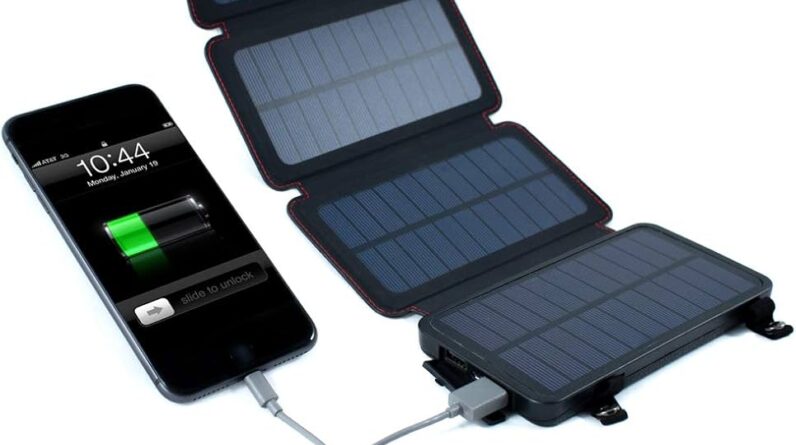
These range from small foldable panels with USB ports to solar power banks with built in batteries. Their main purpose is charging phones, tablets, radios, flashlights, and small USB powered devices using sunlight.
Traditional power banks
These are battery packs that store electricity from a wall outlet. They cannot generate power on their own. Once drained, they need grid power to recharge.
Battery power stations
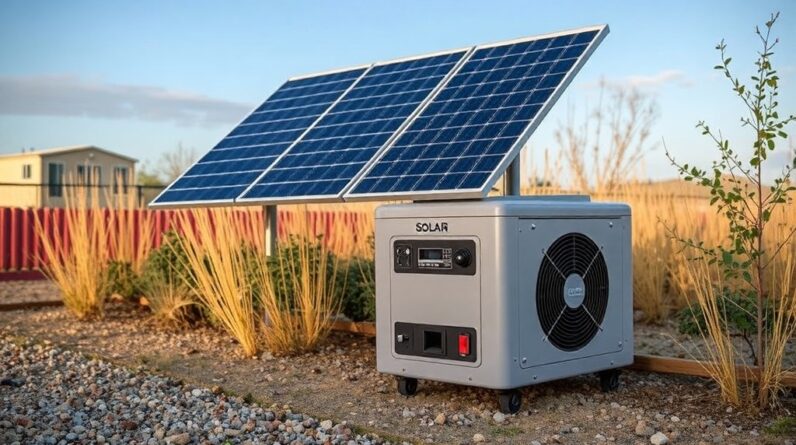
Often called solar generators, these are large rechargeable batteries with multiple outlets including AC plugs. They can be charged from wall outlets, vehicles, or solar panels.
Gas or propane generators
These use fuel to generate electricity and can power anything from a few appliances to an entire home depending on size.
Each option shines in certain situations and struggles in others.
The biggest advantages of solar chargers
Renewable and fuel free power
The most obvious benefit of solar chargers is that they do not rely on fuel or the grid. As long as the sun rises, they can continue producing power. During extended outages, fuel shortages, or supply disruptions, this becomes a major advantage.
Gas generators stop working when fuel runs out. Power banks stop working when their battery is empty. Solar chargers keep going.
Quiet operation
Solar chargers are silent. There is no engine noise, no vibrations, and no fumes. This makes them ideal for apartments, campsites, shelters, and indoor use. During widespread outages, noise complaints and safety concerns around generators are common. Solar chargers avoid all of that.
Safe for indoor use
Gas generators can never be used indoors due to carbon monoxide risk. Solar chargers and battery based systems are safe to use inside homes, tents, vehicles, and emergency shelters.
Low maintenance
Solar chargers have very few moving parts. There is no oil to change, no spark plugs, no filters, and no fuel stabilizers. Basic care usually means keeping the panels clean and storing the battery properly.
Lightweight and portable
Many solar chargers are compact enough to fit in a backpack. Foldable panels weigh very little and are easy to deploy anywhere with sunlight. This makes them useful not just for emergencies but also for travel, hiking, and camping.
Long term cost savings
Once purchased, solar chargers cost nothing to operate. There is no fuel expense and no ongoing maintenance cost. Over time, this can make them more economical than fuel based options, especially for people who experience frequent outages.
The limitations of solar chargers
Limited power output
Solar chargers are designed for small electronics. Phones, tablets, headlamps, and radios are ideal. They are not meant to run refrigerators, microwaves, heaters, or air conditioning systems.
Even larger solar power banks struggle with high draw appliances unless paired with large panels and batteries.
Dependence on sunlight
Solar charging depends on daylight and weather conditions. Cloud cover, shade, short winter days, and poor panel placement all reduce output. This does not make solar useless, but it does make charging slower and less predictable.
Slow charging speeds
Charging directly from the sun takes time. A phone that charges in an hour from a wall outlet may take several hours on a solar charger depending on conditions. This is why many solar chargers include internal batteries so energy can be stored and used later.
Upfront cost
High quality solar chargers cost more than basic power banks. While they save money over time, the initial purchase price can be a barrier for some buyers.
Comparing solar chargers to traditional power banks
Where solar chargers win
Power banks are convenient but limited. Once they are empty, they are useless without an outlet. During long outages, this becomes a serious weakness.
Solar chargers solve this by creating new power instead of just storing it. Even a small amount of daily charging can keep essential devices running indefinitely.
Solar chargers are also better for travel, outdoor use, and disaster preparedness where grid access is uncertain.
Where power banks still make sense
Power banks charge devices faster and are more predictable. They are excellent for short outages, daily use, or situations where grid power is mostly reliable.
They are also cheaper and simpler for users who only need a quick backup for a phone or two.
Best approach
Many people pair both. A power bank for fast charging and convenience, plus a solar charger to refill that power bank during longer outages.
Comparing solar chargers to battery power stations
Where solar chargers have the edge
Solar chargers are more affordable, more portable, and easier to use. They are ideal for people who only need to keep small electronics running.
Battery power stations are heavier and cost significantly more. For someone who only wants to charge phones and radios, they are often overkill.
Where battery power stations dominate
Battery power stations provide much more power. They can run laptops, CPAP machines, small refrigerators, and other AC devices. They also charge much faster from wall outlets.
When paired with large solar panels, battery power stations can run for days or weeks, but the system becomes more complex and expensive.
Best approach
Solar chargers are perfect for personal electronics and minimal needs. Battery power stations are better for households with medical devices, work equipment, or refrigeration needs.
Comparing solar chargers to gas and propane generators
Advantages solar chargers have over generators
Solar chargers are safer, quieter, and easier to use. There is no risk of carbon monoxide poisoning, no fuel storage issues, and no mechanical failures from lack of maintenance.
They are also usable during fuel shortages when generators sit idle.
Advantages generators have over solar chargers
Generators produce large amounts of power instantly. They can run entire homes, power tools, heating systems, and major appliances. Solar chargers cannot compete at this scale.
Generators also work day or night as long as fuel is available.
The real world tradeoff
Generators are powerful but demanding. They require fuel planning, safe placement, noise tolerance, and regular maintenance.
Solar chargers are simple and reliable but limited in output.
Many households use both. Generators for heavy loads and solar chargers for communication devices and essentials when fuel runs low.
Reliability during extended emergencies
One of the most overlooked benefits of solar chargers is their reliability over time. During long disasters, fuel becomes scarce and grid restoration timelines are unpredictable. Solar chargers continue producing power day after day with no resupply.
This makes them especially valuable for communication. Keeping phones, radios, and small lights working can be the difference between feeling isolated and staying informed.
Solar chargers may not power everything, but they excel at powering what matters most.
Environmental considerations
Solar chargers produce no emissions during use. For people who care about environmental impact or live in areas where generator noise and pollution are a concern, this matters.
Gas generators contribute to air pollution and fuel spills. Battery power stations are cleaner during use but still rely on grid electricity for charging unless paired with solar.
Solar chargers stand alone as the cleanest option in daily operation.
Who should choose a solar charger
Solar chargers make sense for:
• People focused on communication during outages
• Apartment dwellers who cannot use generators
• Campers, hikers, and travelers
• Minimalist emergency kits
• Areas prone to long outages or fuel shortages
They may not be enough for households that need to power large appliances, but they fill a critical role that other options cannot replace.
Final thoughts
Solar chargers are not a replacement for every backup power option, but they are one of the most dependable tools available for small scale emergency power. Their ability to generate electricity without fuel, noise, or complex setup gives them a unique role in preparedness planning.
Compared with power banks, they last longer during outages. Compared with battery power stations, they are simpler and more affordable. Compared with generators, they are safer and easier to manage.
The smartest backup power plans are layered. Solar chargers handle communication and small devices. Larger systems handle heavier loads if needed.
When the grid goes dark, having at least one way to make your own power can make all the difference.
This post contains Amazon affiliate links.