This post contains Amazon affiliate links.
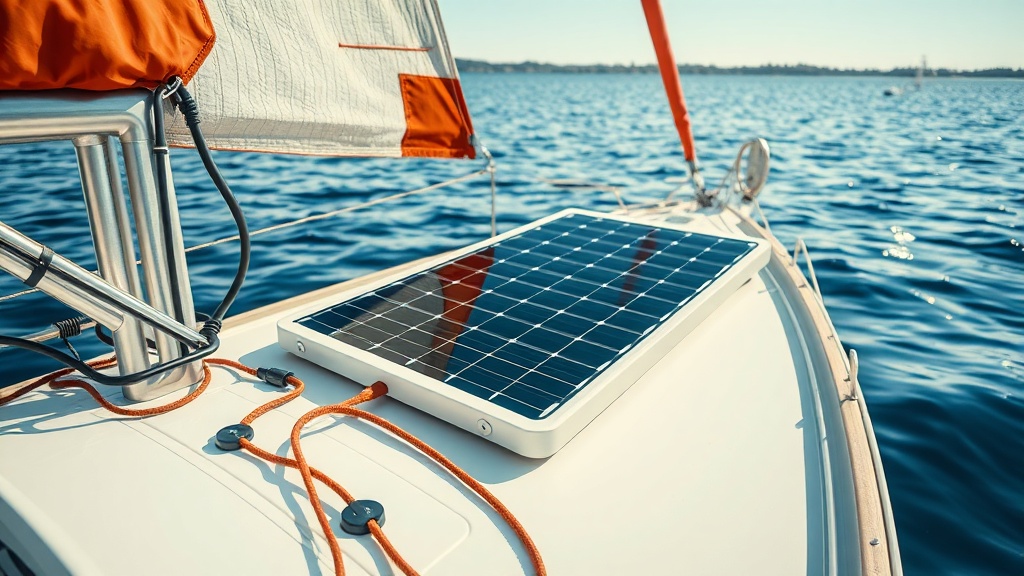
Benefits of Using a Solar Charger for a Sailboat
When you’re out on the open sea, having a reliable power source is essential. A solar charger for a sailboat offers numerous benefits that enhance your experience and convenience on the water. Whether you’re an avid sailor or just enjoy the occasional sunny day on your boat, harnessing the power of the sun can make a world of difference.
One of the most significant advantages of using a solar charger is sustainability. By utilizing solar energy, you’re not relying on fossil fuels or noisy generators that can disrupt the peacefulness of your sailing experience. This eco-friendly option aligns with a growing trend towards sustainable practices in boating, allowing you to enjoy nature while preserving it for future generations.
Cost-Effectiveness
Investing in a solar charger can save you money in the long run. Here’s how:
- No Fuel Costs: Unlike traditional fuel-powered options, solar panels use sunlight, which is free. This can significantly reduce your operating costs over time.
- Low Maintenance: Solar chargers typically have fewer moving parts and require less maintenance than generators. This reduces repair costs and stress associated with potential breakdowns.
- Long Lifespan: Most solar panels last for decades, allowing you to benefit from your investment for many years without needing replacements.
Energy Independence
Using a solar charger allows you to become less dependent on shore power or running your engine. This means you can enjoy longer trips without worrying about running out of energy. Whether you need to charge your batteries, power your navigation systems, or keep your lights on for evening activities, a solar charger provides that energy independence.
Lightweight and Compact Design
Modern solar chargers for sailboats come in lightweight and compact designs, making them easy to install and handle. You won’t have to sacrifice valuable deck space or add unnecessary weight to your boat. Plus, many solar panels can be mounted easily on biminis or directly onto the cabin top, ensuring they are out of the way but still effective.
Versatility
Solar chargers are incredibly versatile, allowing you to power various devices. You can charge:
- Smartphones and tablets for navigation and communication.
- Cameras for capturing your adventure in high-quality images.
- Portable coolers or refrigerators to keep your food and drinks fresh.
- Lights and other equipment crucial for night sailing or relaxing evenings on board.
This versatility means you can enjoy all your modern comforts while out on the sea, contributing to a more enjoyable sailing experience.
Environmentally Friendly
By choosing a solar charger, you’re opting for an environmentally responsible method of generating power. Sailing already connects you with nature, and solar energy minimizes your footprint. With less reliance on fossil fuels, you help reduce pollution in our oceans and promote cleaner air.
Ideal for Remote Locations
Are you sailing to remote locations where access to power might be limited? Solar chargers provide a reliable energy source for off-grid adventures. No need to worry about finding a marina with electricity; as long as the sun shines, you’ll have power. This makes it easier to explore less traveled waters without the anxiety of energy shortages.
Easy to Use
Solar chargers require minimal setup. Simply mount them where you can get good sun exposure, connect a charge controller, and start generating electricity. There’s no complex wiring or intricate knowledge needed, making them user-friendly for everyone, from experienced sailors to novices.
The benefits of a solar charger for a sailboat are clear. With sustainability, cost-effectiveness, energy independence, versatility, and environmental responsibility, these devices significantly enhance your sailing experience. Choosing solar energy can lead to a more harmonious relationship with nature while providing all the power you need on your adventures.
How to Choose the Right Solar Charger for Your Sailing Needs
Choosing the right solar charger for your sailing adventures can make a big difference in your cruising experience. When you are out on the water, having a reliable source of power is essential. Solar chargers are a popular option due to their sustainability and efficiency. With a multitude of options available, it’s important to know what to consider to find the best solar charger for your needs.
Understand Your Power Needs
First, assess how much power you require while sailing. This often depends on the devices you plan to charge. Common devices include:
- GPS units
- Smartphones
- Laptops
- Marine radios
- Tablets
Make a list of all devices and their estimated power consumption. This will help you determine the wattage you need from your solar charger.
Determine Solar Charger Types
Solar chargers come in various types. Understanding these options will help you choose the right model.
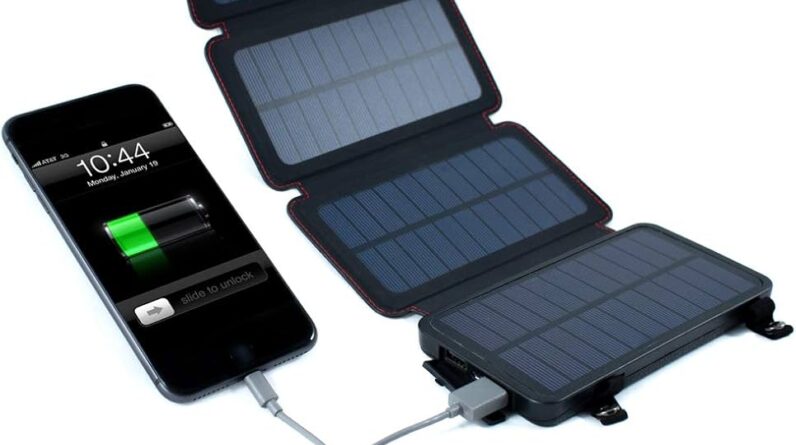
- Foldable Solar Panels: Lightweight and portable, these panels can easily be set up on deck when in use and stored away when not needed.
- Rigid Solar Panels: They are more durable and often have higher power output, making them ideal for longer trips where consistent energy is necessary.
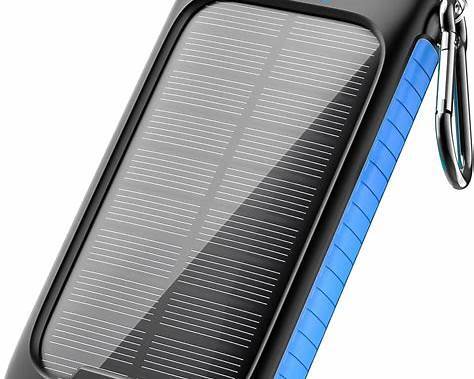
- Solar Power Banks: These portable batteries can store energy for later use, which is particularly useful if you want to charge devices while on the move.
Evaluate Solar Efficiency
Not all solar panels are created equal. The efficiency of a solar charger is crucial to its performance. Typically, the efficiency range falls between 15% to 25%. Look for chargers that offer higher efficiency ratings to ensure you maximize energy conversion from sunlight.
Check Portability and Weight
When you’re out at sea, space is limited. Choose a solar charger that is lightweight and easy to carry. Foldable solar panels are often easier to store and transport compared to rigid options. If you opt for a larger panel, ensure that it can be mounted securely on your sailboat without blocking vital areas.
Inspect Durability and Weather Resistance
Your solar charger will face harsh marine environments, so consider its durability. Look for solar chargers that are rated for weather resistance, including features like:
- Waterproof materials
- UV protection
- Corrosion resistance
These features will ensure that your charger remains functional throughout your sailing experience.
Look for Integrated Battery Storage
Integrated battery storage can provide an added advantage. Chargers with built-in batteries allow you to store energy generated during the day for use at night. This is particularly useful if you find yourself anchored and need power for lights or devices when the sun isn’t shining.
Read Reviews and Get Recommendations
Before making a final decision, take the time to read customer reviews. This can provide valuable insight into the reliability and performance of specific models. Additionally, consult fellow sailors or online forums for recommendations on which chargers work best in real-life sailing conditions.
Consider Cost and Warranty
Solar chargers come in a range of prices. Set a budget that reflects your needs but keep in mind that investing in a quality solar charger can save you money in the long run. Also, check the warranty offered by the manufacturer. A longer warranty typically indicates better product quality and customer support.
Choosing the right solar charger for your sailboat can enhance your sailing experience by providing a reliable and eco-friendly power source. By understanding your power needs, exploring different types, and considering factors such as efficiency and durability, you can make an informed decision. Invest in a solar charger that suits your sailing lifestyle, and enjoy the freedom of being powered by the sun while at sea!
Installation Tips for Solar Chargers on Sailboats
Installing a solar charger on your sailboat can dramatically enhance your adventures by keeping your batteries charged and your navigation equipment running smoothly. Knowing the best practices for installation will ensure optimal performance and longevity of your solar setup. Here are some valuable tips for effectively installing solar chargers on your sailboat.
Choosing the Right Solar Charger
The first step in installation is selecting a solar charger that suits your sailboat’s power needs. Consider the following factors:
- Size of Batteries: Determine the amp hours (Ah) of your batteries to calculate the power you will need.
- Solar Panel Wattage: Panels range from small 50W to larger 300W units. Choose a wattage that can efficiently charge your batteries within your sailing timeframe.
- Type of Solar Panel: Monocrystalline panels are more efficient but can be pricier compared to polycrystalline or thin-film options.
Optimal Placement for Solar Panels
Positioning your solar panels is crucial for maximizing solar exposure. Here are some smart placement tips:
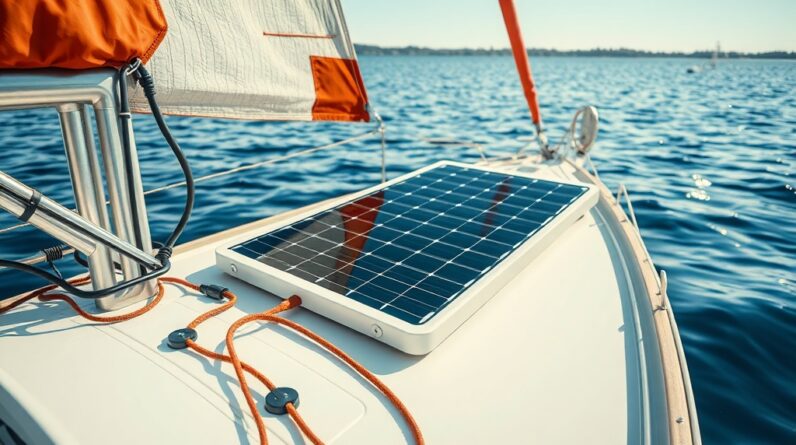
- Flat Surfaces: Place panels flat on the deck or install them on a fixed mount to control the angle for optimal sun exposure.
- Avoid Shadows: Ensure that your panels are not obstructed by rigging or sails, as even small shadows can significantly reduce efficiency.
- Secure Mounting: Use a solid mounting method that can withstand wind and waves but allows for easy removal if necessary.
Wiring and Connection Guidelines
Proper wiring is essential for a safe and effective solar setup. Follow these guidelines:
- Use Marine-Grade Cables: Choose tinned copper wires that can withstand marine environments without corroding.
- Fuses and Circuit Breakers: Always include a fuse on the positive lead to safeguard against short circuits.
- Regulators and Charge Controllers: Utilize a charge controller to prevent overcharging by managing the current flow from your solar panels to the batteries.
Maintenance Tips for Longevity
After installation, maintaining your solar charger is key to ensuring its longevity. Here are some simple maintenance tips:
- Regular Cleaning: Clean the solar panels periodically to remove salt, dirt, or debris that can block sunlight.
- Check Connections: Inspect the wiring and connections periodically for signs of looseness or corrosion. Secure or replace as needed.
- Battery Maintenance: Keep your batteries charged and perform regular checks to maintain their health.
Considerations for Off-Grid Sailing
For those who sail off-grid, understanding your energy consumption will guide solar charger efficiency. Track your daily power usage and consider the following:
- Energy-Efficient Appliances: Use LED lights and low-voltage devices to minimize energy draw.
- Monitoring Systems: Install a monitoring system to track energy production and usage, helping you make informed decisions about your consumption.
- Backup Power Solutions: Consider having backup batteries or an alternative charging source available for cloudy days.
Installing a solar charger on your sailboat not only simplifies your energy needs but also enhances your overall sailing experience. By carefully selecting components, optimally placing your solar panels, adhering to wiring guidelines, and maintaining your system, you’ll enjoy the freedom of reliable energy whenever you’re out on the water.
With these installation tips, you can effectively harness the power of the sun, ensuring that your sailboat remains a floating paradise, fully equipped for all your adventures at sea.
Maintenance and Care for Your Solar Charger System
When you invest in a solar charger system for your sailboat, maintaining it is crucial for optimal performance. Regular care not only extends the life of the solar panels but ensures you can rely on them during your boating adventures. Here are key aspects to consider when taking care of your solar charger system:
Regular Cleaning
Dust, salt, and grime can accumulate on the surface of your solar panels, reducing their efficiency. Performing regular cleanings can help maximize their energy output. Here’s how to clean your solar panels effectively:
- Frequency: Aim to clean the panels every two to four weeks, especially if you’re sailing in areas with lots of salt or dust.
- Cleaning Solution: Use a mild detergent mixed with water. Avoid using abrasive materials that can scratch the surface.
- Method: Gently scrub the surface with a soft cloth or sponge. Rinse thoroughly with fresh water to remove all detergent residue.
- Inspection: During cleaning, inspect for any visible damage or loose connections.
Monitoring Performance
Keeping an eye on the performance of your solar charger can alert you to any potential issues. Regularly check:
- Voltage Output: Monitor the voltage output using a multimeter. Note any significant drops in performance, which could indicate a problem.
- Battery Health: Regularly assess the condition of the batteries connected to your solar system. Ensure they are holding a charge efficiently.
- Sun Exposure: Make sure there are no new obstructions blocking sunlight exposure, like sails or equipment that may have shifted positions.
Batteries and Connections
Your solar charger system is only as good as its connections and batteries. Pay special attention to:
- Battery Maintenance: Check the battery terminals and clean any corrosion. Use a wire brush for connecting points to ensure good conductivity.
- Battery Fluid Levels: If you’re using lead-acid batteries, periodically check the fluid levels and top them up with distilled water when necessary.
- Connection Tightness: Ensure all wiring connections are tight and secure. Loose connections can lead to efficiency loss or damage.
Protecting Your System
Protecting your solar charger from environmental factors can significantly enhance its lifespan. Consider:
- Shading: Barring any obstructions, always park your sailboat in a location free from heavy shading during docked periods.
- Storm Preparation: Secure the system before storms. Remove fragile components if possible and ensure all connections are secure to resist heavy winds.
- Covering Panels: Consider using a protective cover when not in use to guard against harsh weather conditions.
Storage During Off-Season
When the sailing season comes to an end, proper storage of your solar charger system is essential. You should:
- Disconnect System: Disconnect your solar charger and batteries to prevent any potential drain over the off-season.
- Optimal Conditions: Store components in a cool, dry place to avoid any temperature extremes that could harm the equipment.
- Regular Checks: Even during the off-season, check your system periodically to ensure no damage occurs while in storage.
Taking proactive steps with your solar charger system can pay off in the long run. A little maintenance ensures you get the energy you need while sailing, keeping your adventures powered and enjoyable. By following these tips, you can enjoy a reliable and efficient solar charging experience for years to come!
Real-Life Experiences: Sailors Who Use Solar Chargers
Many sailors today are finding innovative ways to harness renewable energy while at sea. One of the most popular tools for this purpose is the solar charger for a sailboat. Sailors around the world share their real-life experiences with solar chargers, highlighting their benefits and practicality. Here’s a look at how these devices have changed the sailing experience for these adventurers.
Tom, an avid sailor from California, initially struggled with keeping his devices charged. His sailing trips often lasted weeks, and finding reliable shore power was challenging. He heard about solar chargers and decided to give one a try. Tom chose a flexible solar panel that could be mounted on his bimini top. This choice not only provided energy for his navigation system but also kept his smartphones and tablets charged. He shares, “The solar charger has been a game changer. Now, I can enjoy my trips without worrying about battery life.”
Another sailor, Maria, took a different approach. Living in a more rugged, remote area of Florida, she opted for a portable solar charger. Her experiences vary significantly from Tom’s due to the conditions she often faces. Maria often sails to uninhabited islands where the only power source is the sun. Using a folding solar charger, she can set it up on the deck or beach to soak up sunlight while enjoying the serene views. She explains, “Having a portable solar charger means I’m never disconnected, no matter how far I sail.”
The reliability of solar chargers is a theme that many sailors echo. John, who spends most of his sailing time in the Caribbean, notes the importance of backup systems. For him, solar chargers serve as an essential resource during long passages. He utilizes his solar panels to power a battery bank, ensuring he always has electricity. “When the sun is out, my solar panels keep my batteries topped up. It’s like having a silent crewmate,” John says.
In addition to keeping devices charged, solar chargers can also contribute to overall energy conservation. Sailors like Lisa have found additional uses for her solar setup. By integrating a solar charger with her onboard refrigeration system, she has significantly reduced her fuel consumption. “By using solar energy, I can keep my drinks cold without burning through my fuel reserves. Plus, it feels good to know I’m helping the environment,” she points out.
Though these connections to renewable energy feel positive, sailors have also encountered challenges with solar chargers. Not all experiences have been perfect. For instance, James, who frequents the Pacific Northwest, battles cloudier weather conditions. He shares, “My solar charger doesn’t work as well when it’s overcast. I’ve learned to supplement my power with a small generator when needed.” This insight reminds those considering solar chargers that they should be prepared for varying situations.
When it comes to choosing the right solar charger, each sailor has found that different features suit their needs. Here are some key considerations:
- Size and Weight: Depending on the vessel, a smaller charger may be more practical. Many sailors prefer lightweight and compact designs.
- Wattage: More powerful solar panels can charge devices faster. Sailors often select chargers with higher wattage for increased efficiency.
- Durability: Marine environments can be harsh. Choosing a robust solar charger can ensure longevity.
- Portability: For those who like to explore, a foldable or portable option can be a great companion onshore or on the boat.
Ultimately, the growing trend among sailors reflects a shift towards sustainable energy. From seasoned sailors to novices, many find that solar chargers enrich their journeys. As Maria puts it, “It’s amazing how much you can power up just by harnessing the sun’s energy. It’s freedom on the water!” Each of these experiences contributes to a greater understanding of how solar technology can enhance life at sea.
As you consider getting a solar charger for your sailboat, remember the testimonials shared by fellow sailors. Their successes and challenges provide valuable insights into the world of renewable energy in sailing, guiding you to make informed choices for your adventures on the water.
Conclusion
Using a solar charger for your sailboat not only enhances your sailing experience but also contributes to a more sustainable lifestyle. The benefits are clear: from reducing reliance on fossil fuels to providing reliable power for your essential devices, solar chargers are a practical choice for any sailor. Choosing the right solar charger involves considering factors such as your energy needs, available space, and budget. With various options on the market tailored to different sailing scenarios, it’s essential to select the charger that aligns with your specific requirements.
When it comes to installation, proper placement is crucial. Ensure that your solar charger is mounted securely in a location that maximizes sun exposure while maintaining the boat’s aesthetics and functionality. Taking the time to install your solar system correctly will yield long-term benefits. Additionally, regular maintenance and care of your solar charger will keep it functioning optimally. Simple practices like cleaning the panels and checking connections can significantly extend the lifespan and effectiveness of your solar setup.
Real-life experiences from fellow sailors underline the value of solar chargers. Many have reported that harnessing solar energy has transformed their voyages, offering independence from shore power. These testimonials speak to the reliability and convenience that solar chargers bring, making them an indispensable accessory for modern sailors. Embracing solar technology on your sailboat not only simplifies your life but also keeps you connected to the beauty of the oceans with a smaller ecological footprint. As you embark on your next sailing adventure, consider making the switch to solar power for an eco-friendly, efficient, and enjoyable experience on the water.
This post contains Amazon affiliate links.