This post contains Amazon affiliate links.
Portable Power Station vs. Traditional Generator for Home Backup: Which One Should You Choose?
Power outages are becoming more common, whether from storms, grid failures, or unexpected equipment breakdowns. Having a reliable backup power solution can make the difference between minor inconvenience and major disruption. Two of the most popular options for homeowners are portable power stations (often called solar generators) and traditional fuel-powered generators.
While both can keep your lights on, appliances running, and devices charged, they are very different in how they work, what they cost to operate, and how they fit into your lifestyle. In this detailed comparison, we’ll break down the pros, cons, costs, and use cases of portable power stations vs. traditional generators so you can decide which is best for your home.
What Is a Portable Power Station?
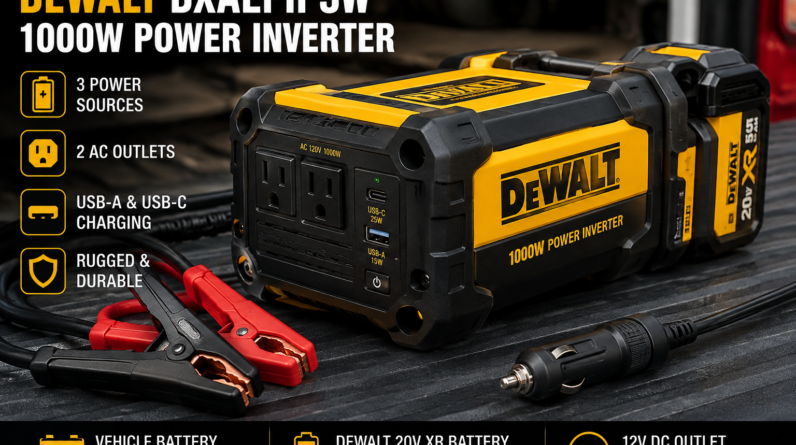
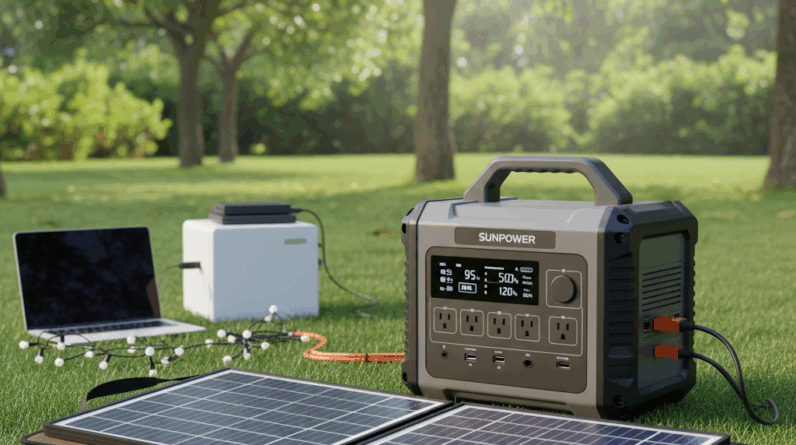
A portable power station is essentially a large rechargeable battery pack with built-in outlets. It stores electricity from various sources—wall outlet charging, solar panels, or even car charging—and then provides power on demand.
- Common features include multiple AC outlets, USB-C ports, DC car outlets, and wireless charging pads.
- Sizes range from small units under 300Wh (enough for phones, laptops, and small devices) to massive stations over 3,000Wh (capable of running refrigerators, CPAP machines, or even small heaters).
- Recharge options: Wall charging, solar panels, or gas-powered charging via an external adapter.
Think of it as a super-powered, eco-friendly battery bank designed for home use, camping, or emergency situations.
What Is a Traditional Generator?
A traditional generator runs on fuel—usually gasoline, propane, natural gas, or diesel. Instead of storing energy, it produces electricity in real time by converting mechanical energy into electrical energy.
- Gas-powered models are the most common and affordable.
- Propane/natural gas models can be connected directly to a fuel line for convenience.
- Diesel models are more heavy-duty and often used for commercial or large-scale backup systems.
Generators have been the go-to solution for decades because they can produce large amounts of power continuously as long as fuel is available.
Key Differences at a Glance
| Feature | Portable Power Station | Traditional Generator |
|---|---|---|
| Power Source | Stored electricity (rechargeable battery) | Fuel (gas, propane, diesel, natural gas) |
| Noise Level | Virtually silent | Loud (60–90 dB) |
| Emissions | Zero (eco-friendly) | Carbon monoxide & greenhouse gases |
| Operation | Plug-and-play, no maintenance | Requires oil changes, refueling, and monitoring |
| Runtime | Limited to battery capacity (can recharge with solar) | Unlimited with sufficient fuel |
| Indoor/Outdoor Use | Safe indoors | Must be used outdoors (risk of CO poisoning) |
| Cost Range | $300 – $3,500+ | $400 – $5,000+ (plus ongoing fuel costs) |
| Best For | Quiet, clean, small-to-medium backup needs | Whole-home or heavy-duty backup |
Advantages of Portable Power Stations
1. Clean, Quiet, and Safe
Portable power stations are silent because they don’t have an engine. They don’t produce carbon monoxide, so they’re safe to use indoors—perfect for apartments or homes without outdoor space.
2. No Maintenance
Unlike generators, there’s no oil to change, spark plugs to replace, or carburetors to clean. Just keep the battery charged, and it’s ready to go.
3. Rechargeable With Renewable Energy
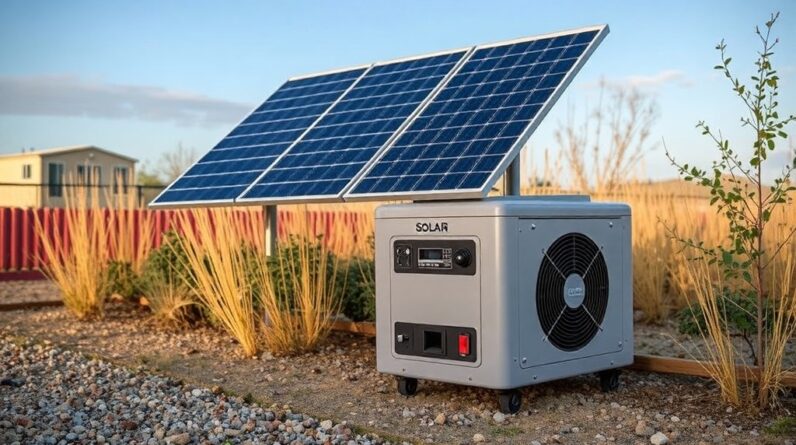
When paired with solar panels, portable power stations provide a sustainable backup solution. You can recharge them during the day, making them ideal for long power outages or off-grid living.
4. Portable and Multi-Purpose
These stations are compact and easy to carry, so you can also use them for camping, tailgating, or working on projects away from outlets.
5. Great for Electronics
Because they use pure sine wave inverters, portable power stations deliver clean power that won’t harm sensitive electronics like laptops, CPAP machines, or smart TVs.
Limitations of Portable Power Stations
1. Limited Capacity
Even the largest portable power stations can’t match the raw output of a fuel generator. Running large appliances (like central air conditioning or electric stoves) will drain the battery quickly.
2. High Upfront Cost
While there are no fuel costs, bigger stations with 2,000–3,000Wh capacity can easily cost $2,000–$3,500, especially if you add solar panels.
3. Long Recharge Times
Recharging a large power station can take several hours, even with fast wall or solar charging. If the outage lasts longer than your battery and you can’t recharge, you’ll be left without power.
4. Battery Degradation
Over years of use, battery capacity slowly declines. Most stations last between 500–3,500 charge cycles, depending on battery chemistry (lithium-ion vs. LiFePO4).
Advantages of Traditional Generators
1. Unlimited Runtime
As long as you have fuel, a generator can run continuously for days. This makes them suitable for extended blackouts.
2. High Power Output
Generators can power large appliances like sump pumps, HVAC systems, and even entire homes (when paired with a transfer switch).
3. Lower Initial Cost
A mid-range 5,000-watt gas generator may cost $700–$1,200, which is less than a high-capacity portable power station of similar wattage.
4. Proven Technology
Generators have been around for decades, making them a trusted and familiar solution.
Limitations of Traditional Generators
1. Noise and Emissions
Generators are noisy, producing 60–90 decibels (comparable to a lawn mower). They also emit carbon monoxide, requiring outdoor use only.
2. Maintenance
Regular oil changes, spark plug replacements, and fuel stabilizers are necessary. Neglecting maintenance can cause breakdowns.
3. Fuel Dependency
Generators are only as reliable as your fuel supply. In emergencies, gas stations may be closed, and fuel shortages can occur.
4. Not Safe Indoors
Generators must be run outside at least 20 feet from your home to prevent deadly carbon monoxide poisoning. This makes them less convenient for apartment dwellers.
Cost Comparison
Portable Power Station Costs:
- Small units (300–500Wh): $300–$600
- Mid-sized units (1,000–1,500Wh): $900–$1,800
- Large units (2,000–3,000Wh+): $2,000–$3,500+
- Solar panels: $200–$600 each
Generator Costs:
- Small gas generators (2,000–3,000W): $400–$800
- Mid-range (5,000–7,500W): $700–$1,200
- Large standby models (whole-home): $3,000–$7,000+ (plus installation)
- Ongoing fuel costs: Varies by fuel type and usage
Which Is More Reliable for Home Backup?
- Short-term outages (a few hours to a day): Portable power stations are more convenient, quiet, and safe for keeping essentials running.
- Long-term outages (several days or weeks): Traditional generators win because they can produce continuous power as long as you have fuel.
Best Use Cases
When to Choose a Portable Power Station:
- You live in an apartment or condo without outdoor space.
- You only need to power essentials like phones, Wi-Fi, lights, a refrigerator, or a medical device.
- You want something quiet, eco-friendly, and low-maintenance.
- You plan to use it for camping, RV travel, or off-grid adventures in addition to home backup.
When to Choose a Traditional Generator:
- You live in an area with frequent, long blackouts.
- You need to power energy-hungry appliances like sump pumps, HVAC units, or well pumps.
- You already have fuel storage or a natural gas line.
- You want a lower upfront cost for high power output.
Hybrid Approach: The Best of Both Worlds?
Many homeowners are now combining both solutions:
- A portable power station for indoor essentials, sensitive electronics, and short outages.
- A traditional generator for heavy appliances and extended outages.
This hybrid approach provides flexibility, safety, and reliability—ensuring you’re covered for every type of outage.
SEO-Friendly FAQs
Q: Can a portable power station run a refrigerator?
Yes, many mid-sized and large portable stations (1,000Wh+) can run a refrigerator for 6–20 hours depending on size and efficiency.
Q: How long do portable power stations last?
Most last 5–10 years depending on battery chemistry and usage. LiFePO4 batteries tend to last longer than standard lithium-ion.
Q: Can you use a generator indoors?
No. Traditional generators produce carbon monoxide and must be run outdoors at a safe distance from your home.
Q: Is solar charging practical for home backup?
Yes, but it depends on sun availability. Solar panels can recharge portable stations during the day, making them more sustainable for long outages.
Q: Which is cheaper in the long run?
Portable power stations have higher upfront costs but no fuel expenses. Generators are cheaper upfront but have ongoing fuel and maintenance costs.
Final Thoughts
Choosing between a portable power station and a traditional generator comes down to your power needs, budget, and living situation.
- If you want clean, quiet, and convenient backup for essentials, a portable power station is a great choice.
- If you need heavy-duty power for multiple appliances or long outages, a traditional generator may serve you better.
- For maximum preparedness, consider using both.
By weighing the trade-offs in noise, emissions, runtime, and cost, you’ll be able to make the right decision and ensure your home is ready for the next power outage.
This post contains Amazon affiliate links.